Elevate Your Sports Events with Professional Photography

Sports have always been something I’ve been drawn to. Photography became a way for me to stay connected to that world while also doing something I genuinely love. Sports photography is challenging, unpredictable, and fast-paced — but that’s also what makes it so exciting. Capturing a defining moment in real time can be exhilarating. Images like Michael Jordan’s final shot or Muhammad Ali standing over Joe Frazier shaped the way I view sports storytelling. Those moments became more than photographs — they became history. That philosophy continues to inspire the way I approach sports photography today. In this blog, I’ll share the passion behind my work and the mindset I bring behind the lens to capture moments that truly matter.

The Impact of Professional Photography on Sports Events
Creating Lasting Memories
My first introduction to sports photography came in middle school when I took a black-and-white photography class. Our teacher knew a lot of us were heavily involved in sports, so he would come to our games, photograph us, and let us develop the images ourselves in the darkroom. I still have those photos today. There was something special about not just taking a picture, but actually creating an image through the entire process.
Years later, my younger cousin took the same class and gifted me a photograph of myself playing basketball as a freshman. To this day, it’s still my favorite sports photo of myself.
There’s something powerful about having a moment frozen in time while doing something you love. You can feel the emotion, passion, and energy through a single image. That’s one of the reasons sports photography means so much to me.
For parents especially, being able to preserve those moments while also staying present at the game is incredibly important. Parents shouldn’t have to experience an entire game through a phone screen trying to document every moment themselves. I’m honored to help fill that role by creating high-quality images that allow families to relive those memories for years to come.
Enhancing Event Promotion
I’ve always been a huge Boise State fan, and when I lived in Boise, I remember looking up around the stadium and seeing massive posters of the star players everywhere. As a kid, I always thought that was such a cool feeling for those athletes — seeing themselves represent their team and community on that scale. But even back then, I also realized how powerful those images were from a marketing perspective. They created excitement, identity, and anticipation around the game itself.
Now with social media, sports photography has become an even bigger part of how programs, athletes, and communities connect with people. A single image can build hype for a rivalry game, showcase an athlete’s personality, or help tell the story of an entire season. Great sports imagery isn’t just about documenting what happened — it’s about creating energy around the moment and giving people something they emotionally connect to.
Documenting the Event
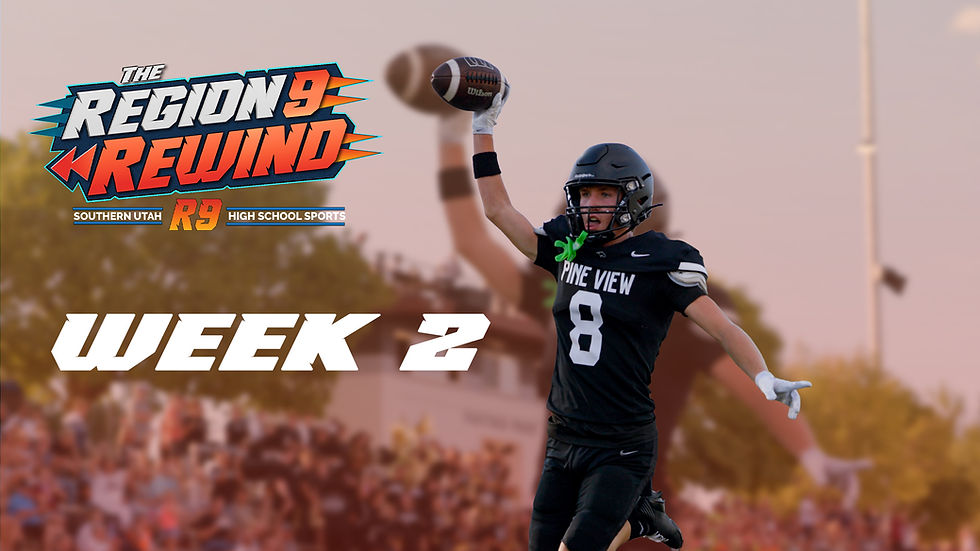
Every sporting event is unique. No two games are ever the same. The players, the crowd, the atmosphere, the weather — every detail changes, and being able to tell that story through a camera is what makes sports photography so exciting to me.
It’s not just about capturing the action on the field. It’s about capturing the energy surrounding the event itself — the roar of the crowd, the chants from the student section, the emotion on the sidelines, the cheerleaders performing between plays. When you fully immerse yourself in the environment, the energy becomes contagious.
That’s what I love most about sports photography. Sometimes it’s not about trying to create the story yourself, but allowing the story to naturally unfold in front of you. The important part is being able to recognize those moments when they happen.
Choosing the Right Photographer
Honestly, doing your research when hiring a sports photographer or videographer is extremely important. There are a lot of talented creatives out there, but everyone has a different style and approach. Taking the time to study someone’s portfolio can tell you far more than simply reaching out to the first photographer you know.
Maybe you love a photographer’s style, but they don’t specialize in the sport or type of coverage you’re looking for. Some photographers focus purely on still images, while others — like myself — operate as hybrid shooters, capturing both photography and cinematic video, often during the same event.
That becomes especially important when it comes to video work. Do you want someone who shoots every sporting event the exact same way, or do you want a filmmaker who creates something unique every time? Do you want heavy graphics and fast edits, or something cleaner and more emotional? Those creative decisions completely shape the final product.
Working with creatives can sometimes be a complicated process, which is why communication and research are so important. The more aligned the vision is from the beginning, the stronger the final story will be.
Preparing for the Event
Once you’ve selected your photographer or videographer, there are still a few important details to work through before the event. Most of the time it’s fairly simple — confirming the time, location, and who specifically needs to be photographed. But depending on the event, things can sometimes become more complicated behind the scenes.
For example, many high schools — especially here in Southern Utah — only allow photographers with an official UHSAA media pass onto the sidelines during games. That means it’s important to either confirm your photographer already has the proper credentials or communicate with the school’s athletic department ahead of time to arrange access. In most cases, hiring someone who already has those credentials makes the process much smoother.
Communication is a huge part of creating strong sports coverage. The more a photographer understands the schedule, important moments, and overall goals for the event, the better prepared they can be to capture the story as it unfolds.
Setting Up a Shot List
Creating a shot list is extremely important because it helps you build a mental picture of the final project before you even begin editing. It also pushes you to broaden the variety of shots you capture throughout the event. When you shoot with intention instead of randomly reacting to moments, the difference is noticeable in the final product.
One of the biggest lessons I’ve learned is to always shoot with the edit in mind. That doesn’t mean you have to follow a shot list exactly, but it gives you a framework for how you want to tell the story. Mixing action shots with crowd reactions, sideline moments, and emotional details can take a project from simply “good” to something that feels immersive and cinematic.
Shot lists are also incredibly valuable for team photos and media days. While those shoots can be a lot of fun creatively, coaches usually want the process to move quickly so they can get back to practice. Many times you’re also photographing multiple teams in a limited amount of time. Having a clear shot list and workflow helps everything run more efficiently while still leaving room to capture the creative shots that players and families will remember most.
The Day of the Event
Capturing the Action
During a sporting event, lens selection and positioning become extremely important. A lot of those decisions depend on the sport you’re covering. For example, football often requires a long lens like a 70–200mm at minimum in order to capture the action from a distance while still creating separation and intensity within the frame.
I’m also a big believer in shooting from a lower angle whenever possible. A lot of times I’ll sit down or drop to one knee while shooting because it changes the perspective of the image entirely. It allows the audience to almost “look up” to the athletes and makes the action feel larger and more dramatic. From a lower angle, jumps feel higher, movements feel more explosive, and the emotion of the moment becomes more immersive.
Small creative decisions like that can make a huge difference and help separate your work from other photographers or videographers.
Another important thing is movement. Staying in the exact same spot for an entire game can cause the visuals to become repetitive very quickly. Moving around and experimenting with different vantage points helps keep the coverage feeling dynamic, cinematic, and engaging throughout the event.
Post-Event Considerations
Editing is one of the most important parts of both photography and video. This is where a creative can either stand out or blend in with the crowd. One of the biggest things I recommend is always shooting in RAW. Shooting RAW gives photographers significantly more freedom to shape an image around their personal style while also allowing more flexibility if exposure or lighting conditions are slightly off during the event.
Personally, my editing style is fairly minimal. I’m drawn to moody, cinematic imagery without over-processing the image or pushing every slider to the extreme. I want the subject and emotion of the moment to stand out naturally, which is why I often spend more time focusing on composition and cropping than heavily manipulating colors.
Delivery is another important part of the client experience. Creating a clean, easy-to-access online gallery where clients can quickly download and share their images is incredibly important. The process should feel simple, professional, and accessible long after the event is over.
After most shoots, I usually select my top five images to share on Instagram. It’s a great way to maintain engagement while also building an evolving portfolio of your work online. I’ve found that having multiple platforms where people can discover your work — whether that’s Instagram, Facebook, your website, or online galleries — all play an important role in growing your audience and showcasing your style.
Conclusion
Sports photography has always meant more to me than simply documenting a game. It’s about preserving emotion, energy, and moments that people will remember long after the final whistle blows. The excitement of a student section, the intensity of an athlete locked into competition, the emotion after a big win — those are the moments that tell the real story of sports.
Over the years, photography and filmmaking have given me a way to stay connected to the sports world while also allowing me to create something meaningful through the camera. Every event has its own personality, atmosphere, and story waiting to unfold. My goal has always been to capture those moments in a way that feels authentic, cinematic, and emotionally impactful.
At the end of the day, great sports imagery is about more than highlights or social media posts. It’s about creating something that athletes, families, schools, and communities can look back on years from now and still feel connected to. That’s what continues to inspire me every time I step onto a sideline with a camera in my hands.


Comments